Gradual Downfall and Final Collapse
Weather’s relentless grip and climate shocks trigger historic losses, spiraling inflation, and grim outlook for food supply
The numbers are staggering, and the reality is even more dire: weather has evolved from a benign seasonal inconvenience into a devastating force reshaping the U.S. economy. As of 2026, cumulative climate-driven temperature shifts have slashed U.S. national income by an estimated 12% since 2000—a loss measured in trillions and felt by every household and enterprise from coast to coast.
Extreme weather events are not just isolated disruptions; they are inflicting lasting financial wounds. Heatwaves and heavy precipitation now drive relentless inflation, with extreme heat causing up to 2.5 times as many price increases as under typical conditions. Price surges from precipitation shocks can persist for an astonishing 15 months, eroding purchasing power long after the storms have passed.
Disaster counts have reached unprecedented highs. In 2024, Americans endured a record-breaking 27 separate weather disasters, each causing over $1 billion in damages. The trend continued in 2025 with 23 such events, racking up a staggering $115 billion in total losses. The frequency and scale of these economic catastrophes are escalating, threatening financial stability and public welfare alike.
Perhaps most alarming are the consequences for agriculture and food security. Droughts in key farming states have slashed interstate exports by up to 0.7%, directly throttling food manufacturing and tightening supply chains. Ripples from disruptions in agricultural hubs like California and Iowa reverberate across the country, driving up prices and shrinking incomes as far afield as Arizona. The Midwest’s heavy dependence on agriculture leaves it exposed to catastrophic yield losses from floods and heat, with projections showing up to a 25% drop in corn and soybean harvests by 2050.
The evidence is irrefutable: U.S. economic resilience is being battered by the relentless onslaught of weather shocks. Without urgent action, these trends will only intensify, ushering in a future marked by more frequent disasters, rising prices, and mounting hardship across all sectors.
The Shocking Impact of Water Shortages on the U.S. Economy
America Faces an Era of Water Bankruptcy, Threatening National Security, Industry, and Everyday Life.
In a startling and unprecedented turn, water shortages have unleashed a crisis that threatens the very foundation of the U.S. economy. As of early 2026, the United States has crossed into what scientists now label a “global water bankruptcy” era: a relentless situation where water use consistently outpaces nature’s ability to replenish supplies. This isn’t just a slow-moving concern—it’s an urgent emergency dragging down economic growth, fracturing supply chains, and fuelling runaway inflation.
Agricultural and Food Security: A Nation at Risk
Climate-driven droughts have devastated water access for irrigation, pushing food production to the brink. Shockingly, 48 states have suffered drought conditions, with crops failing and costs climbing. The fallout is already visible: in California’s Central Valley alone, crop revenue losses soared to $1.7 billion in 2022. Livestock industries are also buckling under the strain, as scarce water destroys grazing land and inflates feed prices, driving up meat costs nationwide. With food essentials now harder—and pricier—to produce, inflation linked directly to water scarcity has spiked the consumer price index by 2.9–3.5%.
Industrial and Energy Production: Factories and Data Centers Under Siege
High water consumption industries such as vehicle manufacturing and AI data centers are facing a dire reckoning. These operations, some of which use water equal to the needs of entire communities, are seeing reduced output and crippling cost increases. The growing AI economy is particularly alarming, as data centers for artificial intelligence now place extreme new demands on the water supply—sometimes outstripping local capacity entirely.
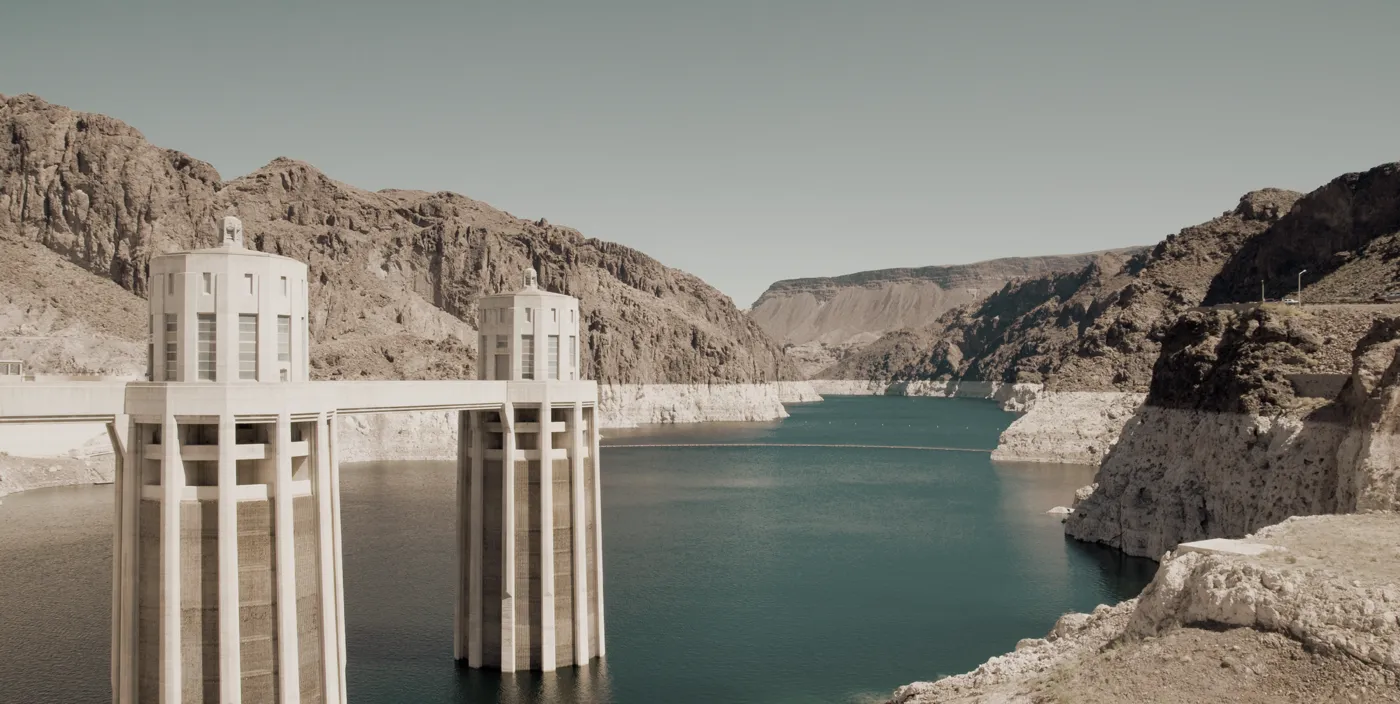
Energy production is also under threat. Major reservoirs, including Lake Mead and Lake Powell, are nearing “deadpool” status—meaning they are too depleted to generate electricity for millions in the West. Thermal power plants, reliant on vast water supplies for cooling, are being forced to reduce output or shut down, heralding the risk of rolling blackouts and lost productivity across the economy.
Infrastructure and Costs: The Hidden Collapse
Groundwater overuse has reached a catastrophic level, causing the land to sink and depleting water tables. To access what little remains, communities must resort to expensive, deeper drilling and costly desalination—up to 25 times more energy-intensive than processing freshwater. Governments are left with no choice but to divert billions of dollars from other public needs to fund emergency aqueducts and alternative water systems, placing enormous fiscal strain on infrastructure budgets.
Geopolitical and Economic Risk: Water as a National Security Threat
Water scarcity has escalated into a frontline national security concern, impacting international trade agreements, regional stability, and America’s global standing. The ripple effect is hard to overstate: entire supply chains are being disrupted, and vulnerable households are suffering disproportionately. As of 2026, millions of Americans lack reliable, safe water access—a humanitarian crisis that costs the economy roughly $8.6 billion annually.
Core Economic Disruptions: Ripple Effects Across Sectors
- Agriculture & Food Prices: Crop failures and livestock strains are driving price surges, with direct economic losses reaching the billions.
- Energy & Power Generation: Hydropower losses and cooling shortages threaten widespread outages and higher energy costs.
- Manufacturing & High-Tech: Semiconductor and textile industries—both highly water-intensive—are teetering on the edge of shutdowns and escalating production expenses.
- Transportation & Trade: Low water levels in the Mississippi River have blocked thousands of vessels, causing staggering financial losses estimated at $20 billion. During peak drought, barge rates for shipping soybeans from St. Louis skyrocketed nearly 400% in a single year.
Macroeconomic and Societal Impacts: A Grim Forecast
The nation’s GDP growth is paying the price. A single standard deviation increase in water scarcity slashes real GDP growth by 0.12–0.16%. The “Water Gap”—the lack of access to basic water and sanitation for 2.2 million Americans—remains an ongoing drain on the economy, costing billions each year. This crisis is not merely environmental; it is an all-encompassing threat to America’s future prosperity, stability, and way of life.
As the U.S. grapples with this era of water bankruptcy, urgent action is needed to avert further economic collapse and restore hope for millions facing the devastating consequences of water scarcity.
The Devastating Collapse Beneath Our Feet
Groundwater is not only a vital resource in the United States—it is the silent backbone of life for millions worldwide. Yet, an unfolding disaster threatens this precious supply. In the US, groundwater provides drinking water for about half the population and nearly all rural communities, supplying over 50 billion gallons daily for agriculture. But this lifeline is rapidly vanishing, leaving communities facing a bleak future.
Imagine your life savings being drained with no hope of replenishment; this is precisely what is happening underground. We are pumping water from the earth at rates that far outpace nature’s ability to restore it. The results are catastrophic. Over half of US aquifers are drying up, often unchecked and underregulated, fueling urban growth and intensive agriculture. This reckless over-extraction is causing land to collapse—literally. Satellite imagery reveals that 28 major American cities, including Houston and Denver, are sinking. In the heartland, the Ogallala Aquifer—critical for 30% of the nation’s food production—has plummeted by over 100 feet in places.
The Shocking Effects of Groundwater Depletion
- Wells running dry: Families and farms are left without water as wells fail across the country.
- Streams and lakes shrinking: Waterways are drying up, erasing wildlife habitats and recreational spaces.
- Water poisoning: As water levels drop, contaminants and salt creep into drinking supplies, threatening health.
- Pumping costs skyrocketing: As water gets harder to reach, the price of every drop soars.
Where America Is Sinking
- California’s Central Valley: Land has sunk by up to 30 feet, tearing apart communities and infrastructure.
- Ogallala Aquifer (Great Plains): Western Kansas, Texas, and Oklahoma face dire water shortages and decimated farmland.
- Arizona/Utah: Ground fissures and subsidence cripple construction and threaten urban expansion around Phoenix.
- Houston and Denver: These cities are sinking, putting millions at risk.
Infrastructure at the Brink
Subsidence is not just an environmental crisis—it’s an immediate threat to public safety. Sinking land destroys roads, bridges, levees, and runways. Critical infrastructure faces severe, irreparable damage, costing billions and endangering lives.
The Causes—and the Clock Is Ticking
The driving force is relentless groundwater pumping for irrigation, often far above natural recharge rates. Over the past two decades, more than half of the US aquifers have lost water. The Ogallala, the breadbasket aquifer, is imploding, threatening food security and livelihoods.
Can We Stop the Collapse?
Experts warn that without urgent action—such as managed aquifer recharge (reinjecting water), tougher regulations, shifting to less water-intensive crops, and advanced wastewater recycling—the crisis will only escalate. Without intervention, vast swaths of the country could become uninhabitable, and the foundation of American prosperity may crumble beneath our feet.
The groundwater catastrophe is already here. If we do not act now, millions may be left with nothing but dry wells, poisoned water, and sinking land—a disaster unfolding in silence, right beneath our feet.
The groundwater catastrophe is already here. If we do not act now, millions may be left with nothing but dry wells, poisoned water, and sinking land—a disaster unfolding in silence, right beneath our feet.