Revivification
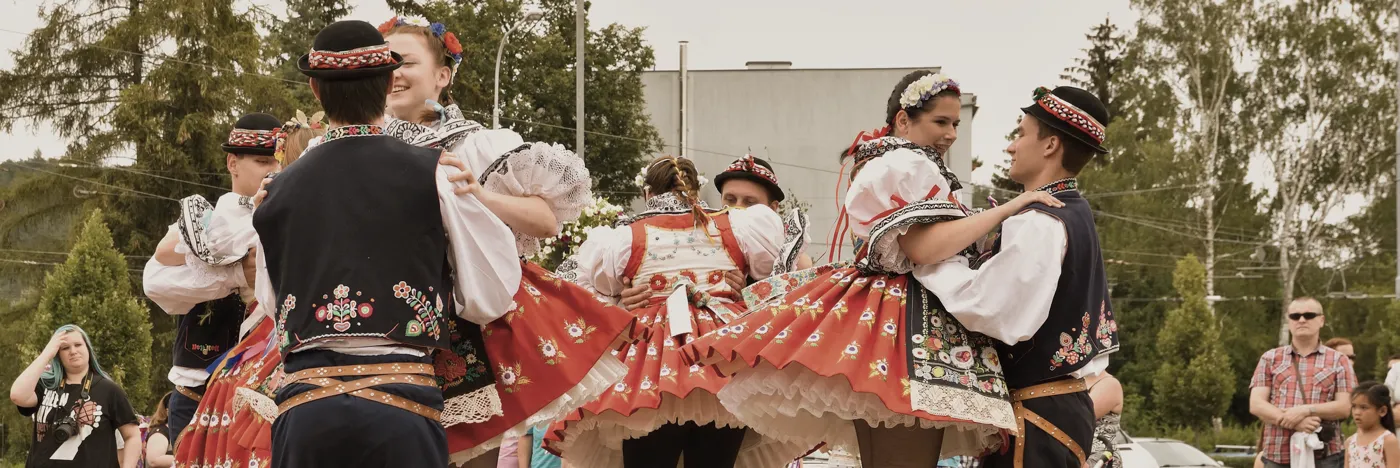
A Hopeful Reflection on Cultural Renewal in the Global North
Across the rolling hills, bustling cities, and ancient villages of Europe, a silent yearning for something lost stirs in the hearts of many. It is not merely nostalgia, but a deep-seated longing for the warmth, unity, and resilience that have long defined European family life. For centuries, traditional family values have been the beating heart of European society – a source of strength, compassion, and continuity. In these turbulent times, when the world seems both more connected and more fragmented than ever, the call to revive these values is not only urgent but essential for the rejuvenation of European culture.
The Cornerstone of European Society
Traditional family values have historically served as the cornerstone of European civilization. Families have been the primary unit through which traditions, languages, and wisdom are passed down. These values – loyalty, mutual care, inter-generational support, and a strong sense of duty shaped not only private lives but also public institutions. It was within the family that the seeds of civic responsibility and cultural identity were sown, nurturing a spirit of belonging and respect that transcended generations. Families were more than mere households; they were the guardians of heritage and the first schools of empathy and integrity.With the arrival of the newcomers in North America, those values were introduced in the New World, 1000s of miles from Europe.
The Winds of Change and the Erosion of Values
Since the end of World War II, the Global North has witnessed profound cultural shifts. Rapid modernization, technological advancement, and changing social dynamics have undeniably brought progress and comfort, yet they have also contributed to a sense of disconnection and uncertainty. The traditional bonds that once united families and, by extension, communities are weakening under the pressures of individualism and transient lifestyles. Many feel that the rich tapestry of European culture is fraying, its vibrant threads threatened by the loss of shared values and the diminishing role of the family as a guiding force. This is not a lament for the past, but a genuine concern for the future harmony and vitality of our societies.
Rekindling Cultural Vitality
Reviving traditional family values is not a backward-looking endeavor, but a forward-thinking strategy for cultural renewal. These values foster resilience, empathy, and stability qualities that are desperately needed in the face of modern challenges. By nurturing strong family ties, we create environments where children can flourish, elders are honored, and everyone finds a sense of belonging. Such renewal would ripple outward, strengthening local communities and inspiring a renewed pride in our shared heritage. The embrace of family values offers a positive path, rooted in love and respect, to reinvigorate European culture in the present stifling atmosphere of INDIVIDUALISM.
Both national and community initiatives, educational programs, and public celebrations can all play a role in rekindling the spirit of togetherness that has long defined European life. By focusing on what unites us—our shared histories, hopes, and dreams we can build bridges across the past, present, and future, creating a legacy of hope and rejuvenation that endures for generations to come.
Now more than ever, the Global North is called to reflect on the gifts of its past and to plant seeds for a more compassionate future. Reviving traditional family values is not a simple task, but it is a noble and necessary one. Let us move forward with passion and hope, choosing unity over division, and weaving together the rich cultural fabric that has long illuminated the European spirit. The journey to restore and revitalize family values ensures that the heart of Europe continues to beat strong offering warmth, strength, and inspiration to all.