Revivification
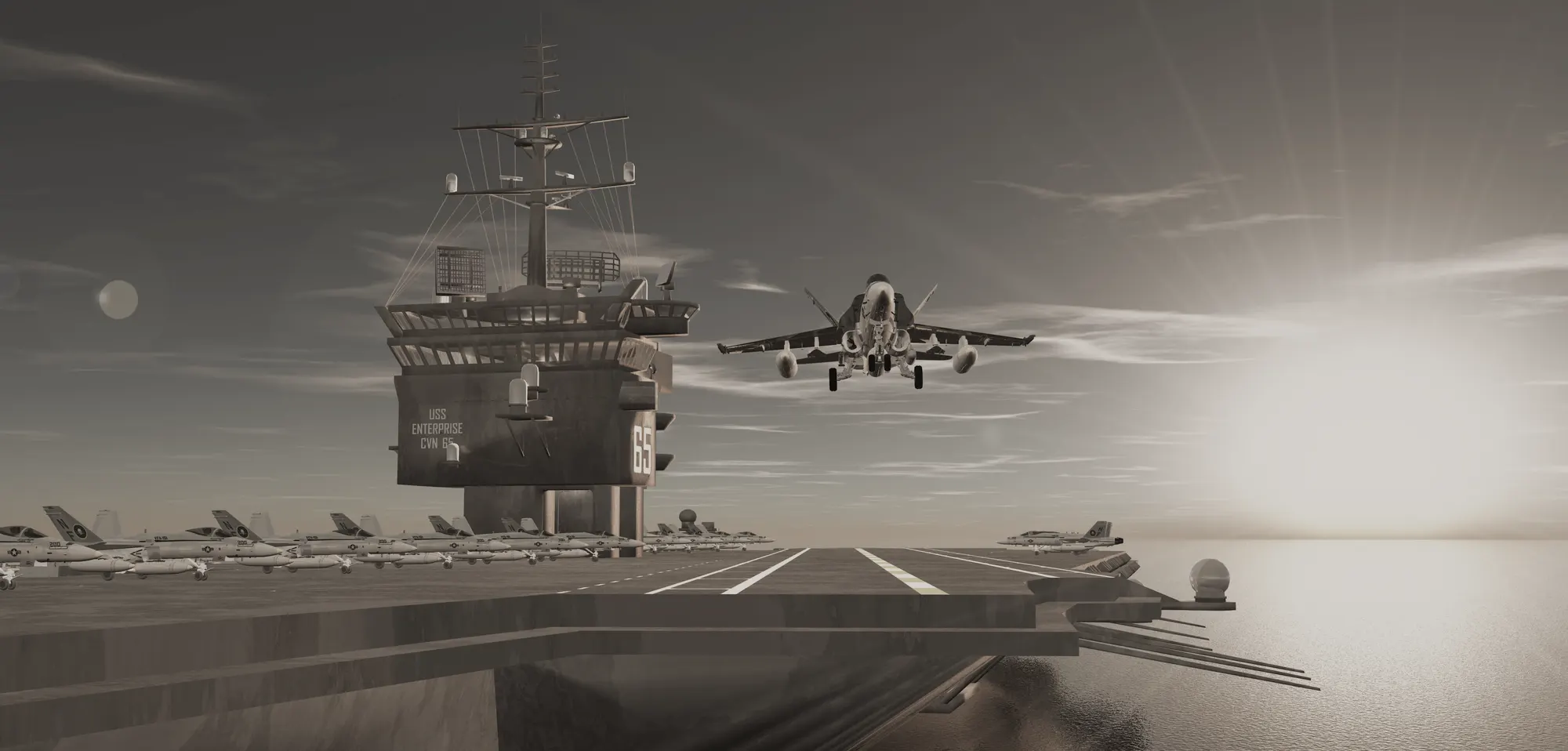
Power Projection Since WWII: Aircraft Carriers, Strategic Bases, and Fiscal Challenges
Power projection—the ability of a state to deploy military force far from its territory—has shaped global security since WWII. The period witnessed a transformation in military doctrine, technology, and strategic geography, with aircraft carriers, support ships, and overseas bases emerging as central elements. Today, fiscal pressures in advanced economies threaten these capabilities, demanding a reassessment of how power projection is financed and executed.
Historical Evolution of Power Projection
Aircraft Carriers
Following WWII, aircraft carriers became the cornerstone of naval power projection. Their mobility, versatility, and ability to launch air operations from international waters made them indispensable in conflicts ranging from the Korean War to the Gulf Wars. Over time, carriers evolved with advances in propulsion, stealth, and automation, while their strategic value persisted as platforms for rapid response and deterrence.
Support Ships
Support ships, including replenishment vessels and amphibious transports, have enabled sustained operations far from home ports. By providing logistical backing, maintenance, and troop movement, these vessels have extended the endurance and reach of carrier strike groups, ensuring operational flexibility and resilience.
Strategic Bases
Permanent and rotational bases have been critical in projecting power and maintaining regional stability. From Ramstein Air Base in Germany to Yokosuka Naval Base in Japan, these installations serve as launch points, supply depots, and intelligence hubs. Their geographic distribution reflects shifting alliances and threat perceptions, but their maintenance is increasingly costly and politically sensitive.
Current Fiscal Challenges
In recent years, advanced economies in the Global North—particularly the United States, the United Kingdom, and Canada—have experienced rising deficit spending driven by demographic shifts, social programs, and economic shocks. Defense budgets, once insulated, now face intense scrutiny. The need to reduce expenditures without compromising strategic deterrence has become a central challenge for policymakers.
Impact on Military Budgets
Military budgets are increasingly constrained by fiscal realities. Modern platforms such as aircraft carriers and advanced support ships require substantial investment in maintenance, upgrades, and personnel. Strategic bases, though essential, contribute to fixed costs that are difficult to scale down without risking operational effectiveness. The trend is towards prioritizing readiness and modernization, often at the expense of force size and global footprint.
Balancing Budgets and Capabilities
Reducing military budgets risks undermining deterrence and response capabilities. However, opportunities exist to streamline operations and leverage technological advances. Automation, artificial intelligence, and unmanned systems offer potential for cost-effective force multiplication. Joint operations and burden-sharing among allies can further reduce individual state expenditures while maintaining collective security.
Surface Navies at the Crossroads: Rethinking Defense Strategies in the Hypersonic Era
Why Outdated Naval Paradigms Heighten Vulnerability and Demand a Submarine-Based Revolution
In an era marked by rapid technological change and shifting geopolitical dynamics, national defense strategies—especially in the Global North—are increasingly exposed to vulnerabilities once unthinkable. Nowhere is this more evident than in the composition and doctrine of major surface navies, whose reliance on massive aircraft carriers and other visible power-projection platforms is coming under intense scrutiny. As emerging threats from the Global South leverage disruptive technologies, the defence establishment faces an urgent imperative to adapt or risk obsolescence.
Obsolescence of Current Defense Trends
For decades, the dominant paradigm in Western defense planning has centered on blue-water navies, particularly the deployment of aircraft carrier strike groups as the ultimate symbol of maritime supremacy. These assets have long been considered essential for power projection, deterrence, and rapid response. However, such approaches are increasingly lagging behind the pace of technological innovation and the asymmetric strategies adopted by emerging military powers. The continued investment in outdated legacy systems, without an appropriate shift in operational doctrine, leaves advanced navies ill-prepared to confront contemporary challenges posed by the Global South.
Surface Navy Vulnerability: The Aircraft Carrier Dilemma
The vulnerability of surface fleets, especially aircraft carriers such as the USS Gerald Ford, has never been more pronounced. These vessels, while technologically advanced and symbolically potent, are massive, slow-moving targets in a battlespace now defined by speed and precision. The staggering costs associated with constructing and maintaining these ships—often exceeding $13 billion per carrier, not including the many aircraft on board and the support fleet—contrast sharply with the relatively modest investment required for advanced missile systems. This cost disparity exposes a critical flaw: high-value assets are increasingly susceptible to neutralization by far less expensive yet highly effective offensive technologies.
The Rise of Hypersonic Missiles
Hypersonic missile technology represents a paradigm shift in modern warfare. Capable of traveling at speeds exceeding Mach 5 and manoeuvring unpredictably, these weapons can evade conventional air defenses and strike with little warning. Notable examples include Russia’s Avangard glide vehicle (Up to Mach 27), China’s DF-41 intercontinental ballistic missile (Mach 25), and the U.S. Trident II D5 (Mach 24), each exemplifying the rapid proliferation and sophistication of hypersonic capabilities.
These systems and countless others in the developmental stage are not only becoming more accessible to hostile elements in the Global South but also fundamentally undermining the survivability of surface fleets.
Cost Comparison: Carriers vs. Hypersonic Missiles
The economic imbalance between high-value naval targets and the weapons designed to destroy them is stark. A single hypersonic missile costs orders of magnitude less than the price of a modern aircraft carrier. This asymmetric cost equation incentivizes adversaries to develop and deploy large numbers of such missiles, knowing that even a modest investment could yield catastrophic results against multi-billion-dollar platforms. A sophisticated anti-missile system deployed by a modern aircraft carrier or a land-based system could be overwhelmed by an initial barrage of dummy missiles. This could, in theory, render even the most sophisticated defence system vulnerable, as the real targeting missile could hide behind a volley of dummies.
The risk calculus for surface navies has, therefore, shifted dramatically in favour of the attacker.
Strategic Implications
The proliferation of hypersonic missile technology fundamentally alters the risk environment for traditional surface navies. The very attributes that once made carriers formidable—their size, visibility, and concentration of power—now render them vulnerable in a hypersonic-dominated theatre. Traditional air and missile defences, designed for slower and more predictable threats, are struggling to adapt. As a result, the strategic logic underpinning surface naval dominance is being rapidly eroded, turning an aircraft carrier or any other large vessel into a gigantic sitting duck.
The Case for Submarine-Based Strategies
Given these developments, a radical shift towards submarine-based naval strategies is imperative. Submarines offer stealth, survivability, and the capacity for both deterrence and power projection without the vulnerabilities inherent to surface platforms. Modern submarines can operate undetected, launch precision strikes, and provide intelligence and surveillance far more securely than their surface counterparts. Investing in a robust, technologically advanced submarine fleet is no longer merely an option—it is a necessity for maintaining credible deterrence and operational flexibility in the face of emerging threats from the Global South.
A Call to Action for Naval Transformation
The defense landscape is undergoing a seismic transformation, driven by the advent of hypersonic missile technology and the changing nature of global threats. Persisting with outdated surface navy paradigms exposes advanced militaries to unacceptable risks and undermines strategic credibility. To remain relevant and resilient, defense planners and policymakers must embrace a radical reorientation towards submarine-based strategies, ensuring that national navies are equipped to meet the challenges of the hypersonic age with agility, stealth, and survivability.
Urgent and Radical Recommendations
- Accelerate Technological Integration: Rapidly adopt unmanned aerial and naval platforms to supplement or replace the outdated systems, reducing personnel and maintenance costs while enhancing operational flexibility.
- Reconfigure Force Posture: Shift from large, fixed bases to agile, rotational deployments and mobile logistics nodes, minimizing infrastructure expenses and increasing adaptability to emerging threats.
- Enhance Allied Burden-Sharing: Deepen cooperation within NATO and other alliances to share costs, integrate command structures, and jointly manage strategic assets such as bases.
- Prioritize Multi-Domain Operations: Invest in capabilities that integrate cyber, space, and conventional forces, enabling deterrence and attack options that are less resource-intensive but highly effective.
- Implement Zero-Based Budgeting: Require defense planners to justify every expenditure from scratch, ensuring alignment with strategic priorities and eliminating legacy inefficiencies.
- Promote Transparent Public Discourse: Engage citizens and stakeholders in the fiscal-security debate, building support for radical reforms and ensuring accountability in defense spending.
Hypersonic Glide Vehicles and Autonomous Underwater Vehicles
Exploring Next-Generation Maritime Strike and Defence Capabilities
Hypersonic Glide Vehicles
Recent advancements in military technology are reshaping the landscape of modern warfare, with hypersonic weapons and autonomous systems at the forefront. A Hypersonic Glide Vehicle (HGV) is a cutting-edge weapon system designed to deliver rapid and unpredictable strikes. The HGV is launched from a submarine or land-based platform using a rocket booster, which propels the payload to the edge of space. Upon reaching the appropriate altitude, the vehicle detaches and glides back into the atmosphere at speeds exceeding Mach 5 (approximately 6,200 km/h or 3,800 mph). Unlike traditional ballistic missiles, HGVs can execute evasive maneuvers during their descent, making interception by current missile defence systems exceedingly difficult.
The immense speed and manoeuvrability of HGVs significantly compress an adversary’s reaction window, thus reducing the effectiveness of existing defensive measures. Their potential launch platforms, including submarines, provide additional stealth and operational flexibility, further enhancing their survivability and strategic value.
Autonomous Underwater Vehicles
Autonomous Underwater Vehicles (AUVs) are unmanned, untethered robotic submarines designed to operate independently for extended periods. Controlled by pre-programmed instructions or artificial intelligence, AUVs are extensively used for deep-sea exploration, seabed mapping, environmental monitoring, and military reconnaissance. Their autonomy eliminates the need for a human crew, allowing them to operate in hazardous or inaccessible environments.
In military applications, AUVs contribute to intelligence gathering, mine countermeasures, and anti-submarine warfare. Their low operational cost and discreet nature make them an attractive alternative to traditional manned submarines or surface vessels.
Integrating Hypersonic Missiles and AUVs
The logical progression in maritime warfare technology is the integration of hypersonic attack missiles with autonomous underwater vehicles. Developing a hypersonic missile system launched from an AUV would combine the stealth, persistence, and cost-effectiveness of unmanned submarines with the speed and lethality of HGVs. Such a platform would offer a significant strategic advantage, enabling rapid, hard-to-intercept strikes from unpredictable locations at a fraction of the cost of deploying an aircraft carrier.
Moreover, advancing these capabilities to create a hunter-killer AUV equipped with hypersonic weapons could revolutionize anti-submarine warfare. These next-generation platforms would be able to autonomously detect, track, and engage enemy submarines or surface vessels, further tilting the balance in undersea combat.
Conclusion
The evolution of power projection since WWII has been shaped by technological innovation and strategic necessity, with aircraft carriers, support ships, and bases at its core. Today, rising deficit spending in the Global North demands urgent and radical action to preserve military effectiveness. By embracing technological advances, reconfiguring force posture, and deepening allied cooperation, states can maintain deterrence and attack capabilities while adapting to fiscal constraints. The time for bold reform is now—failure to act risks eroding the foundations of global security.
Hypersonic Glide Vehicles and Autonomous Underwater Vehicles represent transformative shifts in modern military technology. The ongoing convergence of these systems could lead to highly capable, cost-effective, and virtually unstoppable maritime strike and defence solutions. As research and development in this field progress, nations must consider the strategic urgency of deploying such advanced autonomous weaponry.
The Future of Tanks in Modern Warfare: Outpaced by Cost and Technology
Modern tanks have long stood as the hallmark of military might, embodying raw firepower, protection, and mobility on the battlefield. Yet, in recent years, their strategic value has been called into question, mainly due to soaring procurement and maintenance costs. The price tag for a single advanced main battle tank can run into the millions of dollars, with operational expenses mounting as armies strive to keep these complex machines at peak readiness. Maintenance demands are relentless, requiring specialized crews, spare parts, and significant logistical support, all of which further inflate the total cost of ownership.
In stark contrast, anti-tank weapons have evolved to become both highly effective and relatively inexpensive. Modern anti-tank guided missiles (ATGMs), shoulder-fired rockets, and loitering munitions are available at a fraction of the cost of a tank. This economic disparity has significant implications for military strategy, as even well-funded armies must weigh the risk of losing a costly tank to a much cheaper adversary weapon. Asymmetrical warfare, where less-resourced actors exploit this imbalance, has become a defining feature of recent conflicts.
The ongoing Russia-Ukraine war and persistent conflicts in the Middle East have vividly illustrated this shift. Ukrainian and Middle Eastern forces, at times outgunned and outnumbered, have leveraged affordable anti-tank systems to devastating effect. Footage from the frontlines reveals burnt-out hulks of tanks, destroyed by weapons costing only a small percentage of their value. These losses highlight the vulnerability of tanks in environments saturated with advanced, portable anti-tank solutions, undermining their traditional role as the spearhead of ground offensives.
Perhaps the most transformative development, however, has been the rise of drone warfare. Unmanned aerial systems, ranging from small commercial quadcopters to sophisticated military drones, are reshaping battlefield dynamics. Drones can scout, designate targets, and even deliver precision strikes against armoured vehicles, often operating beyond the reach of conventional tank defences. The Russia-Ukraine conflict has underscored this trend, with Russian tank columns suffering heavy losses to drone strikes and coordinated attacks using inexpensive, widely available technology.
As these trends accelerate, the utility of tanks in future warfare is increasingly called into question. While tanks may retain niche roles in specific scenarios—such as breaching fortified lines or providing direct fire support—their dominance is waning. The balance of power is shifting toward more agile, cost-effective, and technologically advanced systems. On tomorrow’s battlefields, drones and anti-tank weapons seem poised to outmatch the tank, relegating it to a supporting rather than starring role in military operations.
The following list is most revealing and thought-provoking.
Most Expensive Main Battle Tanks
- Leopard 2A8 (Germany): Estimated at over $29 million (2023).
- M1A2 Abrams SEP (USA): $24 million.
- KF-51 Panther (Germany): Around $16.5 million.
- Leopard 2A7+ (Germany): $13–$15 million.
- Merkava Mk4 (Israel): Up to $10M.
- Type 10 (Japan): $9.4 million.
- AMX-56 Leclerc (France): $9 million.
- K2 Black Panther (South Korea): $8.5 million.
- Challenger 2 (UK): $8 million.
Top Anti-Tank Weapons & Systems
- FGM-148 Javelin (USA): Regarded as a premier, man-portable, fire-and-forget, top-attack, infrared-guided system.
- Spike Family (Israel): Highly versatile with variants ranging from 2.5 km to over 50 km.
- NLAW (Sweden/UK): A top-attack, shoulder-fired missile that is highly efficient in close-range and urban combat.
- Stugna-P (Ukraine): Laser-guided, remote-controlled system that allows operators to stay up to 50m away from the launcher.
- Carl Gustaf (Sweden): An 84mm, shoulder-fired, multi-role weapon that can be used for anti-tank, anti-personnel, and bunker-destroying purposes.
- RPG-7V2 (Russia): Though old, it is still deadly in urban, ambush scenarios against lighter armored vehicles (APCs) and side armor of main battle tanks (MBTs).
- Brimstone 2 (UK): A long-range, air-launched missile capable of hunting and attacking multiple, moving targets in succession.
Conclusion
The convergence of high costs, effective anti-tank weaponry, and the proliferation of drones signals a seismic shift in military doctrine. Tanks, once seen as indispensable, are becoming increasingly obsolete amid new technologies and evolving economic realities. As armies adapt to this new era, investments will likely shift from armored behemoths to agile, networked, and cost-efficient solutions capable of dominating the modern battlespace.