Birth & Development
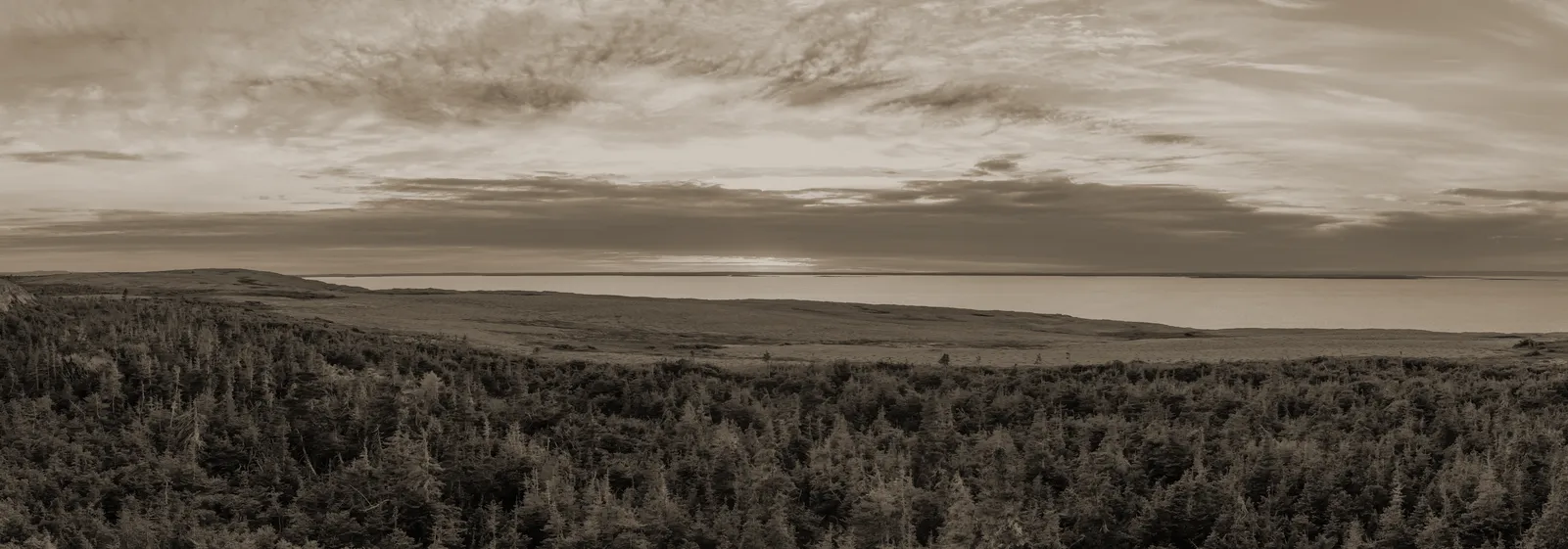
Settlement Hardships and Efforts Toward Prosperity
The arrival of Europeans in North America and Australia marked significant turning points in world history, shaping the social, economic, and cultural landscapes of both continents, driven by the ambitions of exploration of the new world. Driven by dreams and desperation, Europeans cast themselves into the mercy of the endless seas, venturing boldly where no one had gone before. Each voyage was a leap of faith—families torn from familiar shores, hearts pounding with fear and hope. Their journeys across vast oceans marked a turning point in history: a testament to courage, sacrifice, and the haunting allure of the unknown.
Arrival in North America
The first European to set foot in North America was the Viking explorer Leif Eriksson, who is believed to have reached Canada around 1000 AD. He established a settlement at L’Anse aux Meadows, Newfoundland, in present-day Canada, around 1021 AD. This was followed by Christopher Columbus, who arrived in the Bahamas on October 12, 1492
Five years later, John Cabot was commissioned by King Henry VII of England to seek a westward route to Asia. In June 1497, he famously reached North America—likely Newfoundland or Cape Breton—aboard the Matthew, claiming the land for England.
Slow and yet systematic European exploration and settlement in North America began in early 1942. Widespread, permanent European colonization started in late 1492 with Christopher Columbus, leading to Spanish, French, and English settlements in the 16th and 17th centuries.
Early European settlers in North America confronted a host of challenges that threatened their survival and stability. Settlers faced harsh climates, unfamiliar terrain, and difficulties securing food and shelter. They also struggled with disease, conflicts with Indigenous peoples, and limited access to resources and supplies. The climate varied dramatically, from harsh winters in the north to humid, hot summers farther south, complicating agriculture and daily life. Relations with Indigenous peoples were complex and frequently fraught, ranging from cooperation and trade to violent conflict and displacement. The scarcity of food, unfamiliar diseases, and inadequate shelter compounded the difficulties, resulting in high mortality and periods of famine. Settlers had to learn to adapt to the land.
Despite these hardships, Europeans implemented numerous strategies to foster prosperity in their new settlements. Agricultural innovation was crucial, as theyintroduced crops such as wheat and barley while adopting local staples like corn and potatoes. Trade networks developed, both with local communities and across the Atlantic, facilitating the exchange of goods and resources. Governance structures evolved, providing a framework for social order and economic growth. Expansion westward, driven by the need for more land and the quest for resources, further transformed the continent and laid the foundations for future development.
Arrival in Australia
The first documented European landing in Australia was by Dutch navigator Willem Janszoon in early 1606. Many others followed this.
The European colonization of Australia began in 1788 with the arrival of the First Fleet, a convoy of ships carrying convicts, marines, and administrators from Britain. Unlike North America, the primary motivation for settlement was the establishment of penal colonies to alleviate overcrowding in British prisons. Subsequent fleets brought more convicts and free settlers, gradually expanding European presence across the continent. Australia’s remoteness, coupled with the unfamiliarity of its environment, made initial settlement a formidable undertaking.Settlers faced extreme weather, isolation from Europe, and unfamiliar landscapes. The scarcity of fresh water, limited farming knowledge, and confrontations with Aboriginal communities further complicated their efforts to survive and thrive.
Settlers in Australia faced unique and severe hardships. The continent’s climate was often harsh, with periods of drought, extreme heat, and unpredictable rainfall posing serious challenges to agriculture and survival. Isolation from other European settlements meant limited supplies and communication, contributing to a sense of vulnerability. Resource scarcity was acute, as early colonists struggled to find suitable water sources, fertile land, and familiar foodstuffs.
Despite the hardships, Europeans worked diligently to transform Australia into a thriving region. Adaptation was key, as settlers learned to cultivate new crops, rear livestock suited to the environment, and build infrastructure to support growing populations. Economic activities such as wool production, gold and other mineral mining, and trade with neighbouring countries became central to Australia’s development. Social institutions emerged, including schools, churches, and governing bodies, paving the way for a distinct Australian society rooted in European traditions yet shaped by the continent’s unique characteristics.
Similarities and Differences
Both North America and Australia witnessed profound transformations due to European settlement, yet their experiences diverged in notable ways. In both regions, settlers endured severe environmental and logistical hardships. Economic development was driven by adaptation, innovation, and expansion. However, the motivations for settlement differed—North America being a mix of better opportunities, commercial and religious ambitions, while Australia was primarily penal in origin. Ultimately, the pursuit of prosperity brought about sweeping changes on both continents, fostering new societies and economies that are under threat today.
The legacy of European colonization in North America and Australia is complex and enduring. Settlers faced formidable challenges, from environmental adversity to social conflict, yet their efforts to adapt and prosper fundamentally transformed both continents. Today, the cultural, economic, and political landscapes of North America and Australia bear the imprint of these early endeavors, offering lessons on resilience and innovation. Understanding this history is essential for appreciating the hardships and battles our ancestors endured. This, in turn, should make an individual critically reflect on the ongoing impacts of non-European presence in the Global North.
It must be noted that when the Europeans first arrived on those shores, they saw nothing more than groups of primitive indigenous tribes dwelling in the Land. Today, they are part of the glorious history.
Hence, our ancestors landed on these shores centuries ago and worked hard to make them habitable. They all had one vision: to make a prosperous land for their descendants. Today, they are our beloved Motherlands, which are invaded by foreigners who are doing so with the full support and encouragement of Left-Liberals.